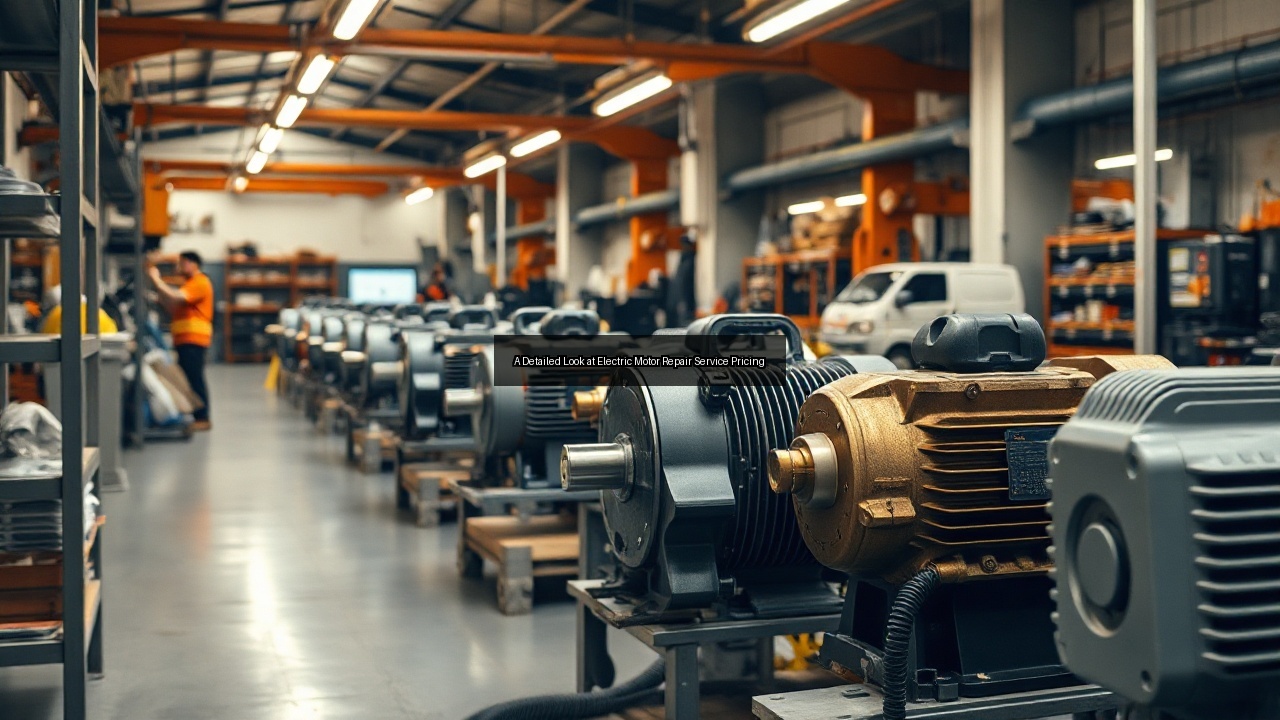
A Detailed Look at Electric Motor Repair Service Pricing
Understanding Electric Motor Repair Costs
Factors Influencing Repair Pricing
Electric motor repair costs vary widely based on several critical factors. The type of motor, its size, and the nature of the failure significantly impact the overall price. For instance, repairs on small fractional horsepower motors typically cost less than repairs on larger industrial motors. The complexity of the issue also plays a role; a simple bearing replacement will generally be less expensive than a complete rewinding of the stator or rotor. Additionally, the location of the repair service can affect prices, as urban areas often have higher labor costs compared to rural regions. Parts availability is another factor; if specific components such as a variable frequency drive (VFD) or specialized insulation are needed, this can drive up costs due to sourcing challenges. Finally, the condition of the motor prior to failure, including its maintenance history, can influence repair pricing. Motors that have been poorly maintained may require more extensive repairs, thus increasing costs. Understanding these factors helps businesses budget more effectively for potential electric motor repairs.
Average Costs for Common Repairs
The average costs for common electric motor repairs can vary, but most businesses should anticipate spending anywhere from $150 to $1,000 depending on the issue. Basic repairs, such as bearing replacements or lubrication, often fall on the lower end of this scale, typically around $150 to $400. More complex repairs, such as rotor rewinding or addressing insulation failures, can range from $500 to $1,000 or more. For instance, a complete rewind of a motor can cost significantly due to the labor-intensive nature of the task and the quality of the materials used, such as varnish and insulation. Additional costs may arise from diagnostic testing, which often involves using infrared sensors to identify issues before they escalate. It’s crucial to obtain detailed quotes from repair services before proceeding, as transparency in pricing can help avoid unexpected expenses. Knowing the average costs provides a framework for businesses to assess their potential repair needs and prepare their budgets accordingly.
Cost Breakdown by Motor Type
Different types of electric motors incur varying repair costs due to their design and application. For example, single-phase motors, commonly found in residential applications, typically have lower repair costs, usually between $100 and $400. In contrast, three-phase motors, often used in industrial settings, can see repair costs ranging from $200 to $1,500. Specialized motors like servo or stepper motors may require even more costly repairs, especially if electronic controls or specific sensors are involved. HVAC motors, critical for climate control systems, often require prompt repairs to maintain energy efficiency and comfort levels, usually costing between $300 and $800. The complexity of the motor's construction, such as the presence of a VFD or specialized cooling systems, also impacts repair pricing. Understanding these distinctions can help businesses make informed decisions about maintenance and repairs, ensuring they choose the right service for their specific motor types.
The Importance of Maintenance and Predictive Analysis
Impact of Predictive Maintenance on Costs
Predictive maintenance significantly reduces electric motor repair costs by preventing failures before they occur. This proactive approach relies on continuous monitoring and analysis of motor performance using advanced technologies, including sensors and infrared thermography. By analyzing data trends, businesses can identify potential issues, such as overheating or unusual vibrations, before they lead to catastrophic failures. Implementing predictive maintenance can cut overall maintenance costs by up to 30%, as it minimizes unplanned downtime and extends the lifespan of the motor. Regular inspections and diagnostics also provide insights into the health of components like the stator and rotor, allowing for timely interventions. Investing in predictive maintenance not only boosts operational efficiency but also improves energy efficiency, leading to lower utility bills. In industries relying heavily on electric motors, such as manufacturing and HVAC, the savings from predictive maintenance far outweigh the initial investment in monitoring technology.
Common Maintenance Practices to Reduce Repair Needs
Adopting routine maintenance practices significantly reduces the likelihood of electric motor failures and associated repair costs. Regular inspections should include checking for signs of wear and tear, such as unusual noises, vibrations, or overheating. Lubrication of bearings is essential to minimize friction and extend the life of the motor. Keeping the motor clean and free from contamination, such as dust and dirt, is crucial, as these elements can lead to overheating and insulation failure. Implementing a maintenance schedule that includes periodic testing of electrical connections and insulation resistance can further enhance reliability. Additionally, ensuring that motors operate within their specified voltage ratings is vital for preventing premature failure. Training personnel on basic maintenance practices ensures that operators can identify potential issues early, allowing for timely interventions that save costs and enhance operational efficiency.
How Infrared and Sensors Enhance Efficiency
Infrared technology and advanced sensors play a pivotal role in enhancing the efficiency of electric motor operations. Infrared thermography helps detect hotspots that indicate potential electrical or mechanical issues, allowing for timely repairs that prevent costly failures. Sensors can monitor various parameters, such as vibration, temperature, and current, providing real-time data on motor performance. This data enables predictive maintenance strategies, allowing businesses to schedule repairs during non-peak hours, thereby minimizing downtime. By integrating these technologies, companies can also optimize energy consumption, as sensors provide insights into power usage and operational efficiency. This leads to significant savings in energy costs and enhances the overall reliability of the motor system. Investing in infrared and sensor technology not only protects against unexpected failures but also contributes to a more sustainable operation by improving energy efficiency.
Warranty and Repair Services
What to Expect from Warranty Coverage
Understanding warranty coverage for electric motors is essential when considering repair services. Most manufacturers offer warranties that cover defects in materials and workmanship for a specified period, typically ranging from one to three years. Warranty coverage may include repairs or replacements for specific components, such as the rotor or stator, but often excludes damage caused electric motor repair services by improper installation, misuse, or lack of maintenance. Familiarizing yourself with the warranty terms helps ensure that any necessary repairs fall within the covered parameters. Always keep documentation of maintenance practices, as this can be crucial in validating warranty claims. When dealing with warranty repairs, it’s advisable to use authorized repair services to avoid potential disputes over coverage. Knowing what to expect from warranty coverage can save significant costs and ensure that your electric motors remain in optimal working condition.
Choosing the Right Repair Service
Selecting the right electric motor repair service is crucial for ensuring quality work and fair pricing. Look for repair shops with certifications, such as ISO or NEMA, which indicate adherence to industry standards. Experience matters; choose a service with a proven track record in repairing the specific type of motor in question. Reading customer reviews and testimonials provides insights into the reliability and quality of service provided. Some repair services offer free diagnostics, which can help assess the issue without incurring upfront costs. Additionally, inquire about warranties on repairs to ensure that any work done is guaranteed. A reputable service will provide transparent pricing and a detailed breakdown of the repair process, allowing you to make informed decisions. Ultimately, investing time in selecting the right repair service can lead to better outcomes and lower long-term electric motor repair costs.
Understanding Warranty Limitations on Repairs
Warranties on electric motors often come with specific limitations that businesses need to understand. Many warranties cover only defects in materials or workmanship, excluding damage resulting from improper use, lack of maintenance, or environmental factors. For instance, exposure to excessive moisture or contamination can void warranty coverage, leaving businesses responsible for repair costs. Additionally, warranties typically require that repairs be performed by authorized service centers; otherwise, any subsequent claims may be denied. It's also essential to note that warranties may not cover routine maintenance tasks, which remain the owner's responsibility. Understanding these limitations helps businesses avoid unexpected expenses and ensures compliance with warranty terms. Prioritizing maintenance and following manufacturer guidelines not only protects warranty coverage but also prolongs the lifespan of electric motors.
Budgeting for Electric Motor Repairs
Estimating Your Repair Budget
Estimating a budget for electric motor repairs involves assessing potential repair costs and factoring in maintenance expenses. Begin by analyzing the types of motors in operation, their age, and their maintenance history. Older motors may require more frequent repairs, so allocate a larger portion of your budget for these units. Create a list of common issues associated with your motor types and research average repair costs to establish a baseline. This proactive approach allows for better financial planning and can prevent unexpected financial strain from sudden repairs. Setting aside a contingency fund for emergency repairs can also be beneficial. By anticipating potential issues and budgeting accordingly, businesses can maintain operational efficiency without compromising financial stability.
Cost-Saving Tips for Electric Motor Maintenance
Implementing cost-saving strategies for electric motor maintenance can significantly reduce long-term repair expenses. First, establish a regular maintenance schedule to address potential issues before they escalate. Conduct routine inspections to identify wear on components like bearings and seals early on. Utilize energy-efficient motors and variable frequency drives (VFDs) to optimize performance and reduce energy costs, ultimately extending the lifespan of the motors. Training staff on proper operation and maintenance practices minimizes the risk of misuse and enhances motor reliability. Additionally, consider investing in predictive maintenance technologies, such as sensors and infrared thermography, to catch issues early. By adopting these cost-saving measures, businesses can improve the longevity of their electric motors and reduce the frequency and severity of repairs.
When to Replace vs. Repair
Determining whether to replace or repair an electric motor can be a challenging decision. Several factors influence this choice, including the cost of repairs, the motor’s age, and its efficiency. If repair costs exceed 60% of the price of a new motor, replacement often makes more financial sense. Additionally, consider the motor's operational efficiency; older motors may consume more energy, leading to higher operational costs. If a motor has a history of frequent failures or is nearing the end of its expected lifespan, replacement may be the better option. Conversely, if the motor is relatively new and the repairs are minor, opting for repairs is usually more economical. Evaluating these considerations helps businesses make informed decisions that align with their budget and operational needs.
See Also
- Energy Efficiency Upgrades and Their Impact on Repair Costs
- Maximizing Efficiency While Minimizing Electric Motor Repair Costs
- The Impact of Warranty on Your Electric Motor Repair Budget
- How Voltage Fluctuations Influence Motor Repair Costs
- Is Your Budget Ready for Electric Motor Maintenance Expenses